
Fatigue, Stress & Fracture Assessment
Failures due to dynamic loading on static equipment and structures often occur without any clear warning signs.
Root cause analysis on such failure modes can be complex and standard assessment and measurement techniques are not suitable to obtain the in depth insights needed to prevent repeated failure.
Advanced Structural Assessment & Defect Analysis
Powerful analytical tools such as Finite Element Analysis (FEA), supported by field-based physical measurements, are often essential when assessing complex defects found in critical assets and structures.
Defects can occur across a variety of static equipment and structures including piping systems, small-bore connections and foundations. Many issues can be evaluated using well-established engineering methodologies, but more complex failures require detailed root cause analysis to understand the underlying mechanisms.
Dynamic loads, thermal expansion, one-time overload events and other operational forces can lead to failures such as foundation deterioration, cracking in pipelines or broken bolts, each requiring their own tailored engineering solution.
Integrity assessments may be performed during design or retrospectively following failure in the field. In all cases, specialist expertise in materials, fracture mechanics, fatigue and stress analysis ensures accurate diagnosis and robust recommendations.
Our Solution
Whatever the situation, AVT Reliability BV, formerly Van Geffen Reliability, has an experienced team of specialists who can assess even the most challenging defects. Through a combination of field testing, measurement and advanced office-based analysis, we are able to resolve complex problems efficiently and reliably.
Whether stress, fracture or fatigue is the driving mechanism behind a defect, most investigations rely on Finite Element Analysis (FEA), often in combination with strain gauge measurements or other inspection techniques to ensure the most accurate results.
Finite Element Analysis (FEA)
FEA is a powerful tool that allows the behaviour of complex structures to be modelled under a wide range of load and geometric conditions. Using FEA, structural strength assessments can be carried out quickly against design criteria, enabling estimation of life expectancy and identification of required actions.
In the hands of an experienced operator, FEA can assess even the most intricate and critical defects. By validating and calibrating simulations with real measurement data, we ensure a first-time-right solution that gives clarity and confidence in the recommended intervention.
The greatest benefits come when the results of advanced engineering assessments are used to guide key integrity decisions. Multiple interlinking assessments can, at times, support the simplest repair. Understanding which methodologies are appropriate is where our process begins, helping you avoid unnecessary or overly complex repair work and ensuring the most effective solution.
Stress Analysis
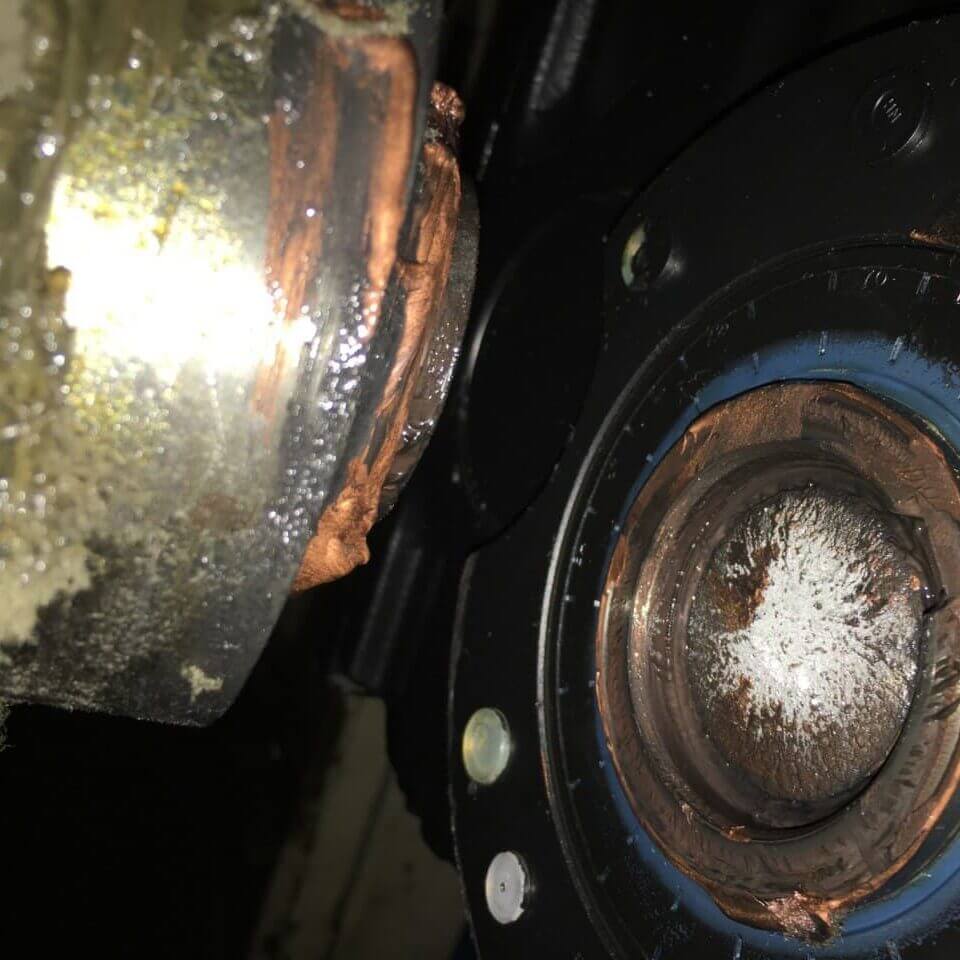
Most assets are designed with an allowable stress limit beyond which operating conditions become unsafe due to deformation or potential failure.
Stress analysis considers multiple influencing factors including weight, pressure, thermal gradients and flexibility. These factors interact to create complex loading scenarios that must be properly understood to ensure accurate assessment.
Defects can elevate stress levels significantly. In these cases, Stress Concentration Factors (SCFs) generated through FEA modelling are essential. We have extensive experience in performing stress assessments across a wide variety of structures and defect types.
Fatigue and Fracture Assessment
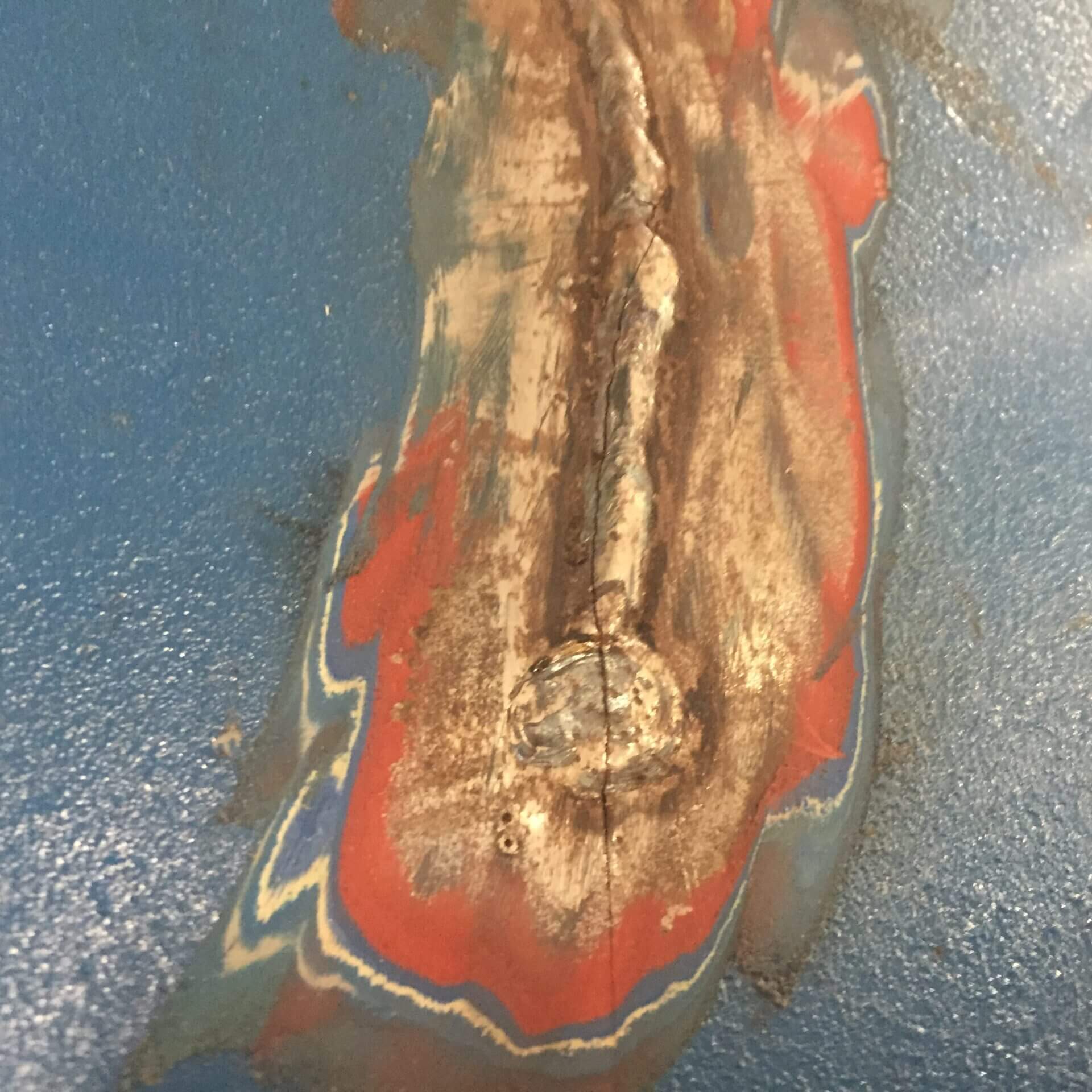
Assets experience cyclic loading throughout their operating life, which can lead to fatigue damage and the development of cracks. One-off overload events can also trigger sudden fracture initiation.
Understanding load history and accumulated fatigue damage is critical for determining when remedial action is required. Various analytical and measurement techniques can be used to quantify these effects.
We have extensive experience assessing fatigue-induced cracks in complex geometries, supported where necessary by advanced FEA. We also develop and review fracture control plans and apply recognised methods to assess components of all types.

Strain Assessment
Cracking can occur when materials experience strains beyond their allowable limits. Strain represents the relative deformation of a material compared to its original state, and is essential in assessing dents, buckles and other structural deformations.
Effective strain-based assessments require a thorough understanding of loading conditions and material properties. This becomes especially important when evaluating defects in high-risk components.
We apply strain-based methods to establish safe operational limits, for example determining tensile strain limits in pipelines with circumferential weld flaws. Our expertise ensures safe, reliable and compliant operation even in challenging conditions.

Local service backed by global support
- 24 hours a day, 7 days a week, 365 days a year
- Clear detailed reporting with actionable insights
- Expert support and consultation
Local service backed by global support
- 24 hours a day, 7 days a week, 365 days a year
- Clear detailed reporting with actionable insights
- Expert support and consultation


