
Workshop Rotor Balancing
Before any new, repaired or overhauled rotating part can be put into service it must first be balanced.
Workshop rotor balancing is a type of analysis that compares the vibration profile with rotation to identify inconsistent weight distribution around the diameter. The amount and position of the weight necessary to offset the net imbalance can then be calculated.
Workshop rotor balancingImbalance is the unequal distribution of a rotor’s mass around its rotating centreline. While some level of vibration is expected in rotating equipment, excessive vibration is often a clear indication of imbalance caused by a variety of mechanical or manufacturing factors. Minimising vibration helps prevent secondary damage and significantly extends machine service life. Rather than attempting to eliminate vibration entirely, our workshop engineers reduce vibration to acceptable levels in accordance with the specified balance quality grade. This balance search process is a core workshop capability, combining precision balancing machines with experienced engineers who understand how rotor behaviour translates into long-term reliability. |
Common causes of rotor imbalance
|
Workshop rotor balancing
Rotor imbalance is caused by uneven mass distribution around the rotating centreline. While some vibration is normal, excessive vibration often indicates imbalance that can lead to damage and reduced service life.
Typical causes
- Material build-up on blades
- Corrosion or erosion of impellers
- Porosity in cast parts
- Rotor eccentricity
- Uneven motor windings
- Bent shafts or rollers
- Missing balance weights
Our workshop engineers minimise vibration to within the specified balance quality grade, extending machine life and improving reliability.
Our Solution
Our workshop supports all types of rotors, from components weighing less than 500 grams to assemblies exceeding 4,000 kilograms. Using dedicated horizontal balancing machines and precision measurement systems, we balance both rigid and flexible rotors across a wide operating range.
Whether a rotor operates at 10,000 rpm or runs at 150 rpm, our more than 40 years of workshop balancing experience ensures accurate, repeatable results for single components and production batches alike.
Typical projects range from balancing a single 10 MW steam turbine rotor to series work such as 75 brake discs for one of the world’s largest offshore crane vessels.
All balancing work is carried out in accordance with ISO 21940 balance quality requirements for rigid rotors.
Our Solution
Our workshop balances rotors from less than 500 grams to over 4,000 kilograms, across a wide range of speeds and applications.
- Prototype and experimental rotors
- Single-piece rotors
- Small series production
- Medium-size series under 250 units
Balancing is performed in accordance with ISO 21940 balance quality requirements.
Offering
Workshop rotor balancing delivered by experienced, specialist engineers using proven procedures and precision equipment.


Offering
Specialist workshop rotor balancing delivered using proven inspection and balancing methods.
|
Dedicated balancing equipment
All machinery and tools in our workshop are dedicated exclusively to balancing activities. This specialist setup enables accurate, repeatable balancing across a very wide range of rotor types, sizes, and applications. |
|
Our workshop machinery and tooling are used exclusively for balancing, ensuring consistent accuracy across a wide range of rotor types.
Delivering
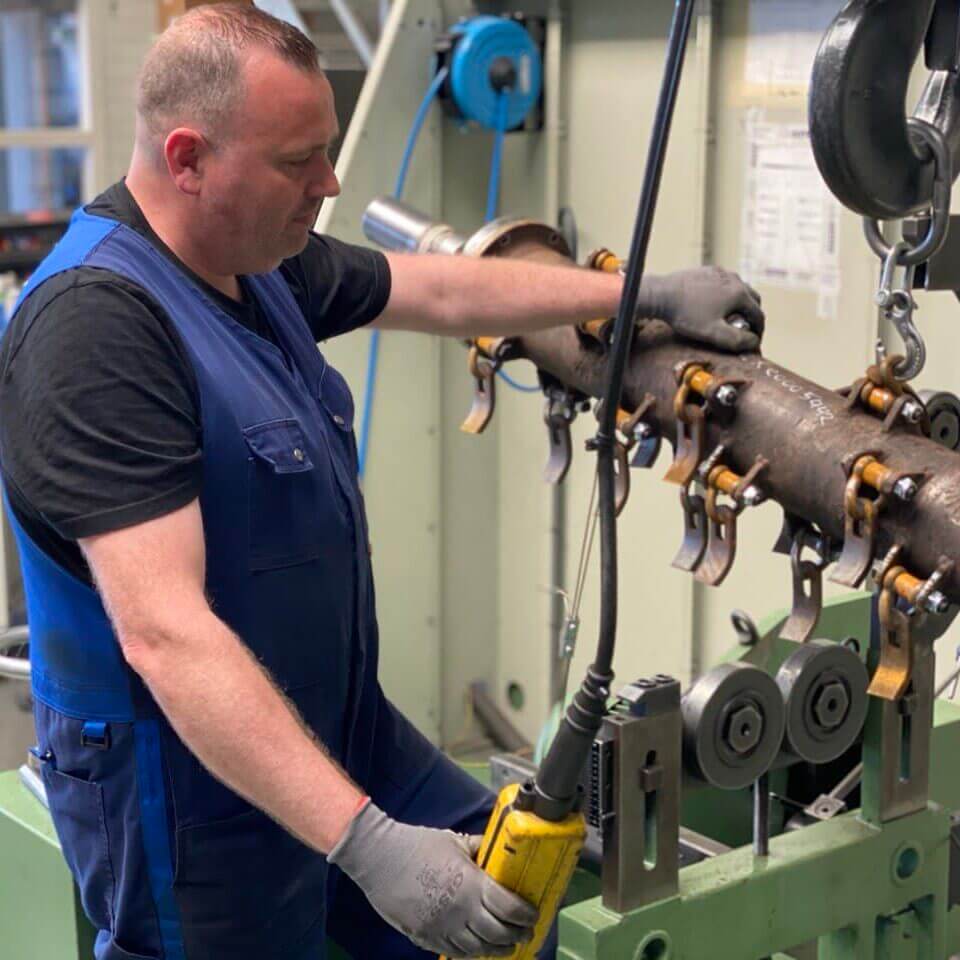
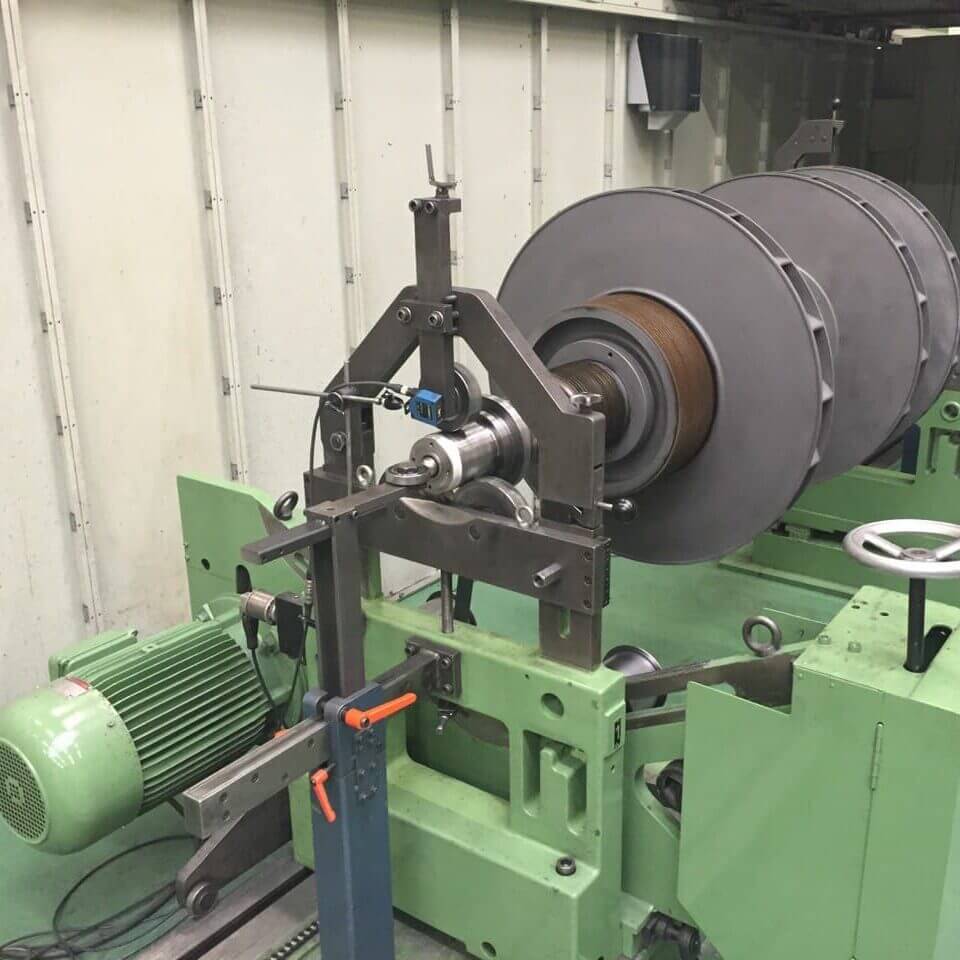
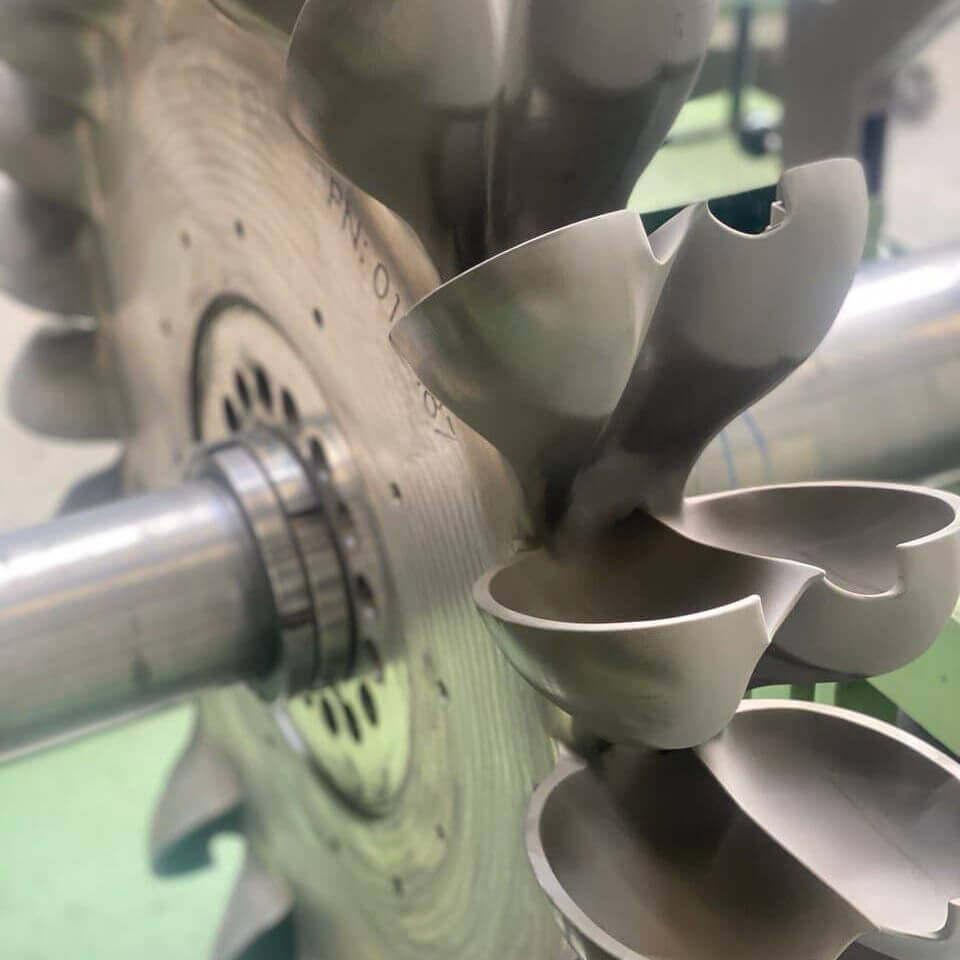
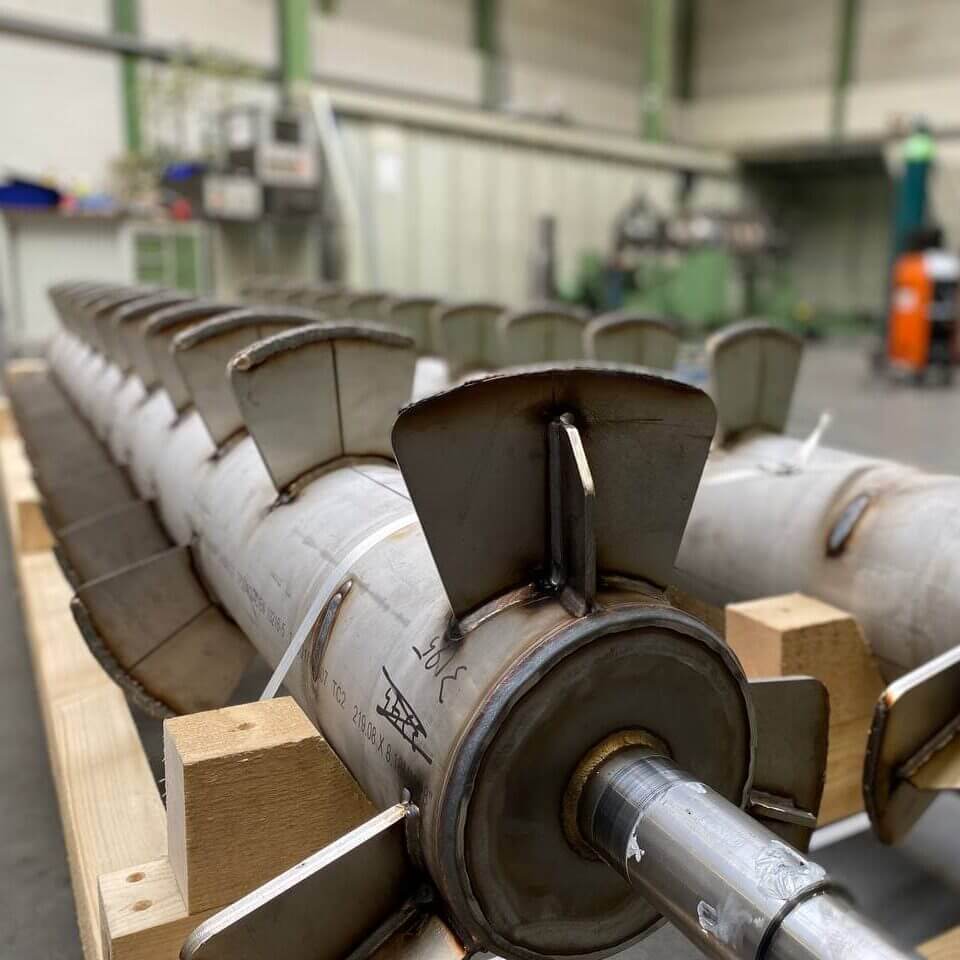
We work exclusively with advanced, high-end balancing equipment. All Schenck balancing machines are maintained and calibrated in-house, ensuring consistent accuracy, repeatability, and full confidence in every balancing result delivered from our workshop.
Delivering
Our workshop operates exclusively with high-end, precision balancing equipment. All Schenck machines are maintained and calibrated in-house to guarantee reliable and repeatable results.

Local service backed by global support
- 24 hours a day, 7 days a week, 365 days a year
- Clear detailed reporting with actionable insights
- Expert support and consultation
Local service backed by global support
- 24 hours a day, 7 days a week, 365 days a year
- Clear detailed reporting with actionable insights
- Expert support and consultation


