
Smart Condition Monitoring in the Maritime Sector
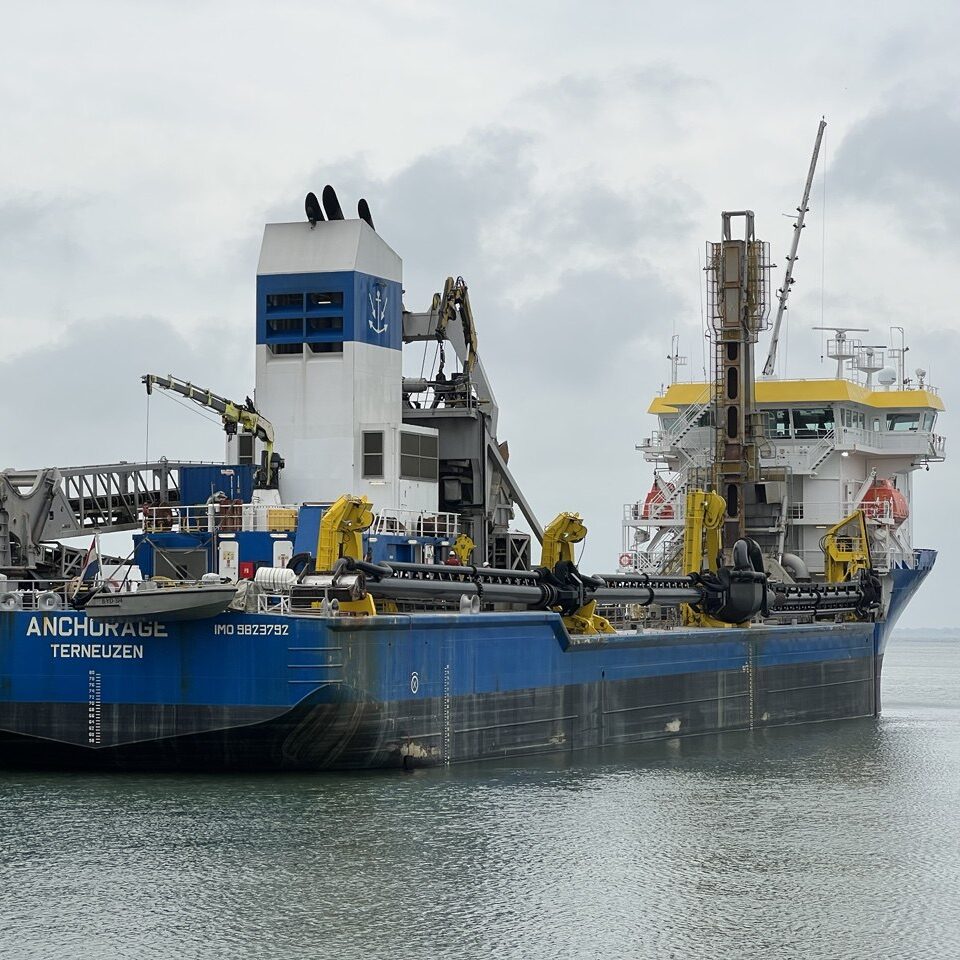
For a client in the dredging industry, a fleet-wide condition monitoring program was implemented using advanced vibration and condition monitoring systems to improve maintenance strategies and prevent unplanned downtime
| Customer | Dredging company |
| Location | Offshore dredging site |
| Industry | Maritime / Dredging |
| Process | Dredging operations to maintain navigable waterways |
| Equipment | Trailing Suction Hopper Dredger (TSHD) |
| Products | Machine Sentry® monitoring system |
| Services | Remote condition monitoring, data analysis, technical diagnostics |
DOWNLOAD PDF
The Challenge
The trailing suction hopper dredgers (TSHD) are critical for efficient dredging operations. Any failure in key components such as the drive system could result in significant operational delays, impacting overall project timelines and costs
 |
 |
 |
 |
Our Findings
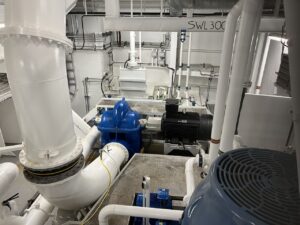
Initial measurements revealed an increasing vibration frequency in a critical drive system, indicating potential bearing failure.
The cause was linked to excessive wear, although optimisations temporarily reduced wear this raised a flag for potential failure. The best course of action was to replace the motor bearing during the next scheduled maintenance opportunity.
Our approach
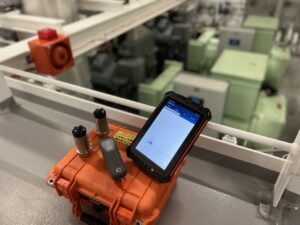
The Machine Sentry® system was installed on each dredger in the fleet to monitor vibration, temperature, and oil condition. Readings were taken periodically, with trend analysis supporting early detection of issues.
Monitoring started immediately after installation, with routine inspections and data reviews. We expected to identify early-stage failures and provided regular reports on system health.
 |
 |
“The monitoring system gave us early warning, allowing us to plan maintenance without interrupting operations, saving both time and cost.” — Project Lead |
The Solution
A bearing replacement was carried out during a weather-dependent dredging break. After the intervention, vibration frequencies were significantly reduced, and the system returned to normal operational levels. No further issues were found post-repair, confirming the success of the intervention.
 |
Follow Up
After replacing the motor bearing, routine inspections showed that vibration levels returned to normal.
Had the issue gone unnoticed, the bearing failure could have led to severe operational downtime, with substantial repair costs and safety risks due to equipment failure


